
Mexican Cheese Guide: Panela, Oaxaca, Cotija and More
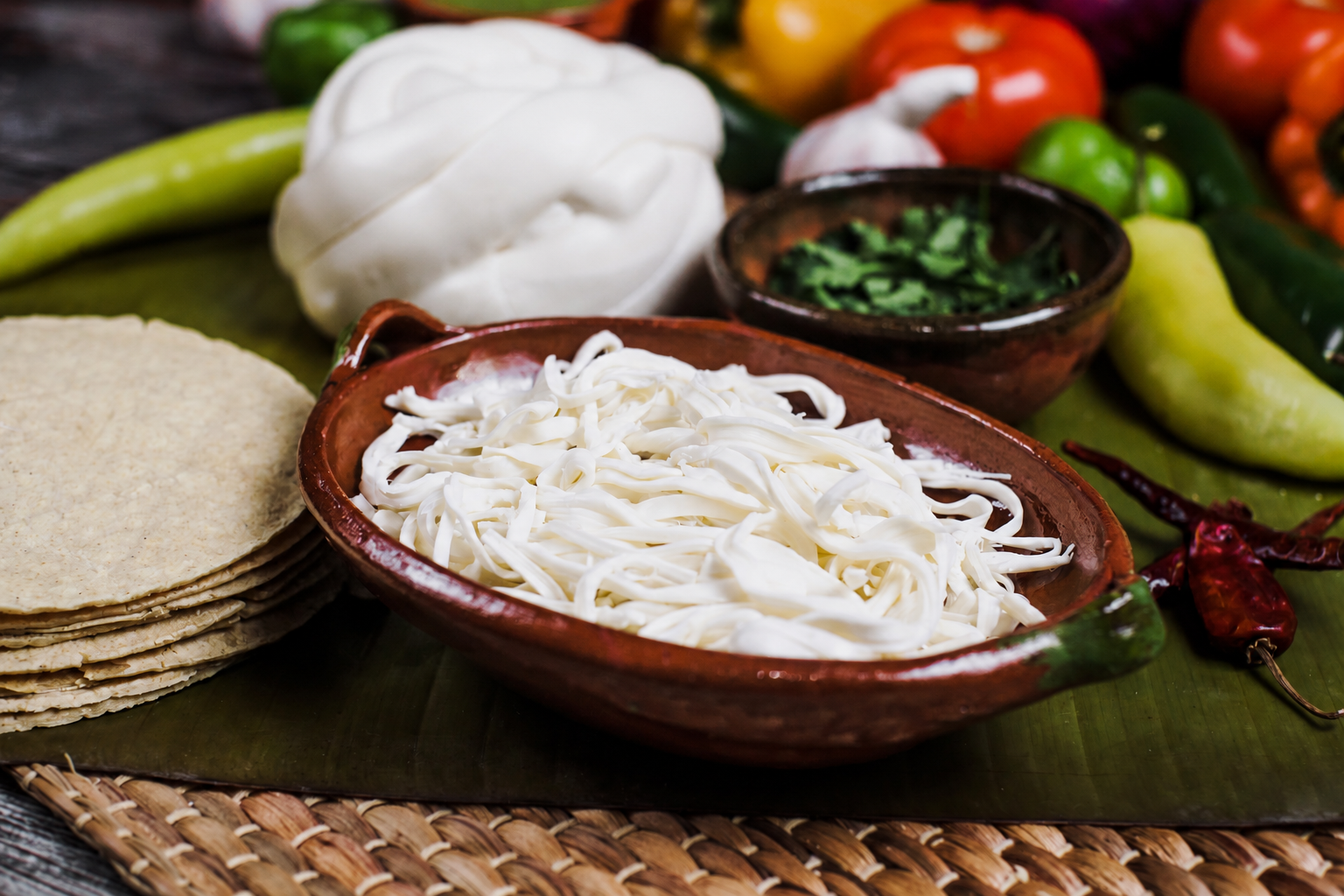
Choosing a Mexican cheese starts with what you want it to do: melt into a quesadilla, crumble over tacos or hold its shape on the grill. This guide covers the flavors, textures and best uses of queso fresco, panela, Oaxaca, Cotija and more, so you can find the right cheese for your dish.
Mexican cheesemaking is regional, and texture or flavor can vary by producer and age. Use these categories as a starting point, and check the package description for details about the cheese you’re buying.
Queso Fresco: The Fresh Crumbling Cheese
Queso fresco has a soft, moist texture and clean dairy flavor. It crumbles easily over tacos, tostadas, beans, soups, salads and enchiladas. It softens when heated but generally does not become stretchy like mozzarella.
Use queso fresco when a dish needs a cool, milky contrast to spicy salsa, roasted chiles or rich meat. Because it is a fresh cheese, keep it refrigerated and return it to the refrigerator soon after serving.
Panela: Mild, Sliceable and Grill-Friendly
Panela is a fresh, firm cheese with a springy texture and gentle flavor. It holds its shape under heat better than a melting cheese, which makes it useful for grilling, pan-searing and baking. Slice it for sandwiches and salads, cube it for snacks or add browned pieces to tacos.
For an easy example, try Valley Marketplace's Grilled Panela Cheese Tacos. Use medium heat and turn the slices carefully once a golden surface forms.
Oaxaca Cheese: The Stretchy Melting Choice
Oaxaca cheese, also called quesillo, is stretched into ribbons or strands and wound into a ball. It has a mild flavor and excellent melting quality. Pull it into strands before adding it to quesadillas, molletes, tlayudas or queso fundido so it melts evenly.
Low to medium heat is usually enough. High heat can force out fat before the center melts, so give the cheese time rather than trying to rush it.
Cotija: Salty, Dry and Made for Finishing
Cotija is a firm, aged cheese named for Cotija, Michoacán. Younger versions can be somewhat moist and crumbly, while longer-aged Cotija is drier and easier to grate. Its salty, concentrated flavor means a small amount can season a whole dish.
Crumble or grate it over elote, esquites, tacos, black beans, salads, soups or roasted vegetables. Cotija is not the choice for a stretchy cheese pull. Think of it as a finishing cheese that adds savory depth.
Asadero and Chihuahua: Smooth-Melting Cheeses
Asadero is mild and creamy with a smooth melt. It works well in quesadillas, chile relleno, queso fundido and baked dishes. Chihuahua cheese, also called queso Menonita, is semi-firm and slightly tangy or buttery. It melts evenly for nachos, casseroles, sandwiches and tacos.
Either can be a good option when a recipe needs a cohesive melted layer rather than a fresh crumble.
Queso Añejo: Firm, Aged and Flavorful
Queso añejo is aged longer than queso fresco, giving it a firmer, drier texture and more concentrated flavor. It is often grated or crumbled over cooked dishes. Use it on enchiladas, beans, tostadas and roasted vegetables when you want more intensity than a fresh cheese provides.
How to Choose the Right Cheese for the Dish
Ask what the cheese needs to do:
Melt and stretch: Oaxaca, asadero or Chihuahua.
Crumble with a fresh flavor: Queso fresco.
Stay firm on a grill or skillet: Panela.
Add a salty finishing layer: Cotija or queso añejo.
You can also combine roles. A quesadilla might use Oaxaca for melting and Cotija as a finish. Tacos can pair browned panela with fresh salsa. A salad can use queso fresco for a soft crumble or Cotija for a sharper, saltier accent.
Practical Substitutions
No substitute is exact, but matching texture and function helps:
Use low-moisture mozzarella for Oaxaca when stretch matters most.
Use Monterey Jack for Chihuahua or asadero in a melted dish.
Use a mild feta for queso fresco when a crumbly texture is more important than matching the flavor exactly.
Use Parmesan or pecorino in place of aged Cotija when you need a dry, salty grating cheese.
Use a firm grilling cheese in place of panela when the cheese must hold its shape under heat.
Taste before adding extra salt, especially when substituting feta, Parmesan or pecorino.
Storage and Food-Safety Tips
Buy refrigerated cheese from a properly chilled case and check that the package is sealed. Choose cheese made with pasteurized milk, especially for pregnant people, older adults, young children and anyone with a weakened immune system.
Keep fresh cheeses cold, use clean utensils and follow the package's use-by guidance after opening. If a cheese develops an off smell, slimy surface or unexpected mold, discard it rather than tasting it.
Build Better Tacos, Snacks and Shared Plates
Once you know whether a cheese should melt, crumble, grate or hold its shape, the selection becomes simple. Explore Valley Marketplace's deli and international departments, and use the cheese in recipes such as Watermelon, Feta and Blueberry Skewers or Savory Spinach and Feta Puff Pastry Bites. Selection can vary, so check your local store.
