
Middle Eastern Pantry Guide: Essential Ingredients
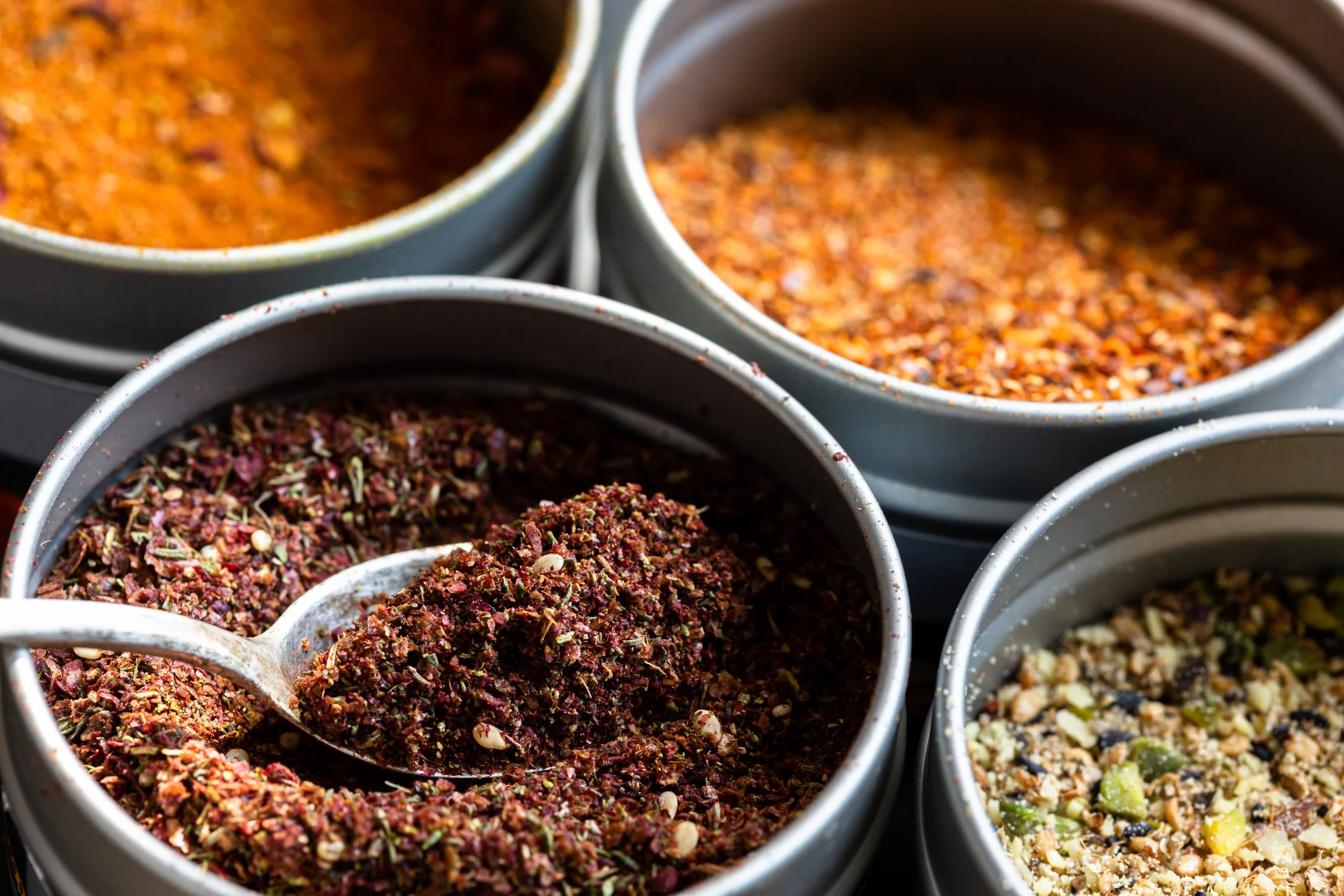
A few versatile pantry staples can open up new ways to cook everyday vegetables, grains, meat and flatbread. This guide introduces ingredients used in Middle Eastern cooking, explains how to use them and helps you build your pantry one meal at a time.
The Middle East includes many countries, communities and cooking traditions, so no single pantry list represents them all. Here, you’ll find a practical starting point with ingredients used across Levantine, Persian, Turkish, Armenian and neighboring cuisines.
Tahini: The Sauce Starter
Tahini is a paste made from ground sesame seeds. It may separate in the jar, so stir it thoroughly before measuring. Whisking tahini with lemon juice can make it look thicker or seized at first. Add cool water a spoonful at a time and continue whisking until it becomes pale and smooth.
For a basic tahini sauce, combine tahini, lemon juice, garlic, salt and water. Spoon it over roasted vegetables, grain bowls, falafel, grilled chicken or fish. Tahini is also essential in many hummus recipes and appears in sweets and baked goods.
Check the label for storage directions. Some tahini can remain in a cool pantry before opening, while refrigeration after opening may preserve freshness longer.
Sumac: Bright Acidity Without Extra Liquid
Ground sumac has a tart, fruity flavor that can brighten food much like lemon, but without adding juice. Sprinkle it over sliced onions, tomato and cucumber salads, hummus, roasted vegetables, rice, eggs or grilled meats.
Sumac is useful when a dish tastes flat but already has enough liquid. Add a small amount, taste and build gradually. Its flavor and color fade with long storage, so keep it sealed away from light and heat.
Za'atar: A Blend That Varies by Region and Producer
Za'atar commonly combines an herbal component with sesame seeds, sumac and salt, but the exact recipe varies. Some blends are deeply herbal, while others are more tangy, nutty or salty. Taste the blend before adding extra salt to a dish.
Mix za'atar with olive oil and spread it on flatbread, sprinkle it over labneh or yogurt, stir it into salad dressing or use it on roasted vegetables and chicken. It is an easy way to add several layers of flavor with one ingredient.
Pomegranate Molasses: Concentrated Sweet-Tart Flavor
Pomegranate molasses is a thick reduction of pomegranate juice. Some products include added sugar, while others are especially tart, so read the label and taste before using.
Whisk a little into vinaigrette, brush it onto roasted vegetables, add it to a meat marinade or use it to deepen dips and stews. It can be intense, so begin with a teaspoon or two rather than pouring freely.
Bulgur, Freekeh and Rice
Bulgur is wheat that has been parboiled, dried and cracked. Fine bulgur can often be soaked for salads such as tabbouleh, while coarse bulgur is simmered for pilaf, soups or stuffed vegetables. Follow the package because grind size changes the amount of liquid and time required.
Freekeh is roasted young wheat with a smoky, chewy character. Use it in pilaf, soups and grain salads. Both bulgur and freekeh contain wheat and are not gluten-free.
Long-grain rice, especially basmati, is another pantry foundation for pilaf and dishes served with stews or grilled meats. Pair it with Valley Marketplace's Shawarma-Spiced Chicken Thighs for a complete meal.
Chickpeas, Lentils and Other Pulses
Keep both dried and canned chickpeas or beans available. Canned chickpeas make quick hummus, salads and weeknight stews. Dried chickpeas take planning but let you control the final texture and seasoning.
Lentils cook more quickly and usually do not need soaking. Brown or green lentils hold their shape for salads and rice dishes, while split red lentils soften into soups and purées. Store dried pulses in sealed containers in a cool, dry place.
Warm Spices and Savory Seasonings
Cumin, coriander, allspice, cinnamon, cardamom, turmeric and black pepper appear in different combinations across the region. Buy whole spices when you plan to toast and grind them, or choose ground spices for convenience.
Allspice and cinnamon are not limited to desserts. Small amounts can add warmth to meat, rice and tomato-based dishes. Cumin and coriander work in soups, grilled foods and vegetables. Paprika and Aleppo-style pepper add color, fruitiness and moderate warmth.
Valley Marketplace's Easy Shakshuka Recipe is a straightforward way to use cumin, paprika, tomatoes and eggs in one skillet.
Olives, Pickles and Preserved Ingredients
Olives, pickled turnips, preserved grape leaves and jarred vegetables bring salt, acidity and texture to meals. Add them to shared plates, sandwiches, rice dishes and salads. Rinse very salty items if needed, and keep opened jars refrigerated according to the label.
Grape leaves can be filled with rice, herbs and other ingredients. Jarred leaves are often packed in brine and may need rinsing or a brief soak before use.
Rose Water and Orange Blossom Water
Floral waters are potent. Use drops or teaspoons, not large splashes, until you know the strength of the product. They can perfume rice pudding, simple syrup, cookies, pastries, fruit and drinks.
If a dessert tastes like perfume, too much was used. Measure carefully and add more only after tasting.
A Simple Way to Build the Pantry
Begin with one flexible set:
Tahini for sauces and dips.
Sumac and za'atar for finishing and seasoning.
Pomegranate molasses for dressings and marinades.
Chickpeas or lentils for a meal base.
Bulgur or rice for salads and pilaf.
With those ingredients, add fresh lemons, garlic, parsley, mint, tomatoes, cucumbers, yogurt and flatbread as needed. You can build a mezze plate, grain bowl, soup, salad or grilled dinner without buying an entire pantry at once.
Shop With a Dish in Mind
The easiest way to explore an unfamiliar ingredient is to connect it to one meal. Choose the dish first, buy the core pantry item and note two other ways to use it that week. Tahini can become hummus and salad dressing. Sumac can season onions and roasted vegetables. Za'atar can flavor breakfast, flatbread and chicken.
Explore the oils, grains, spices, dried fruit, nuts and international foods described in Valley Marketplace's department guide, then visit the recipe collection for more meal ideas. Product selection can vary by store.
