
What to Buy at an International Grocery Store
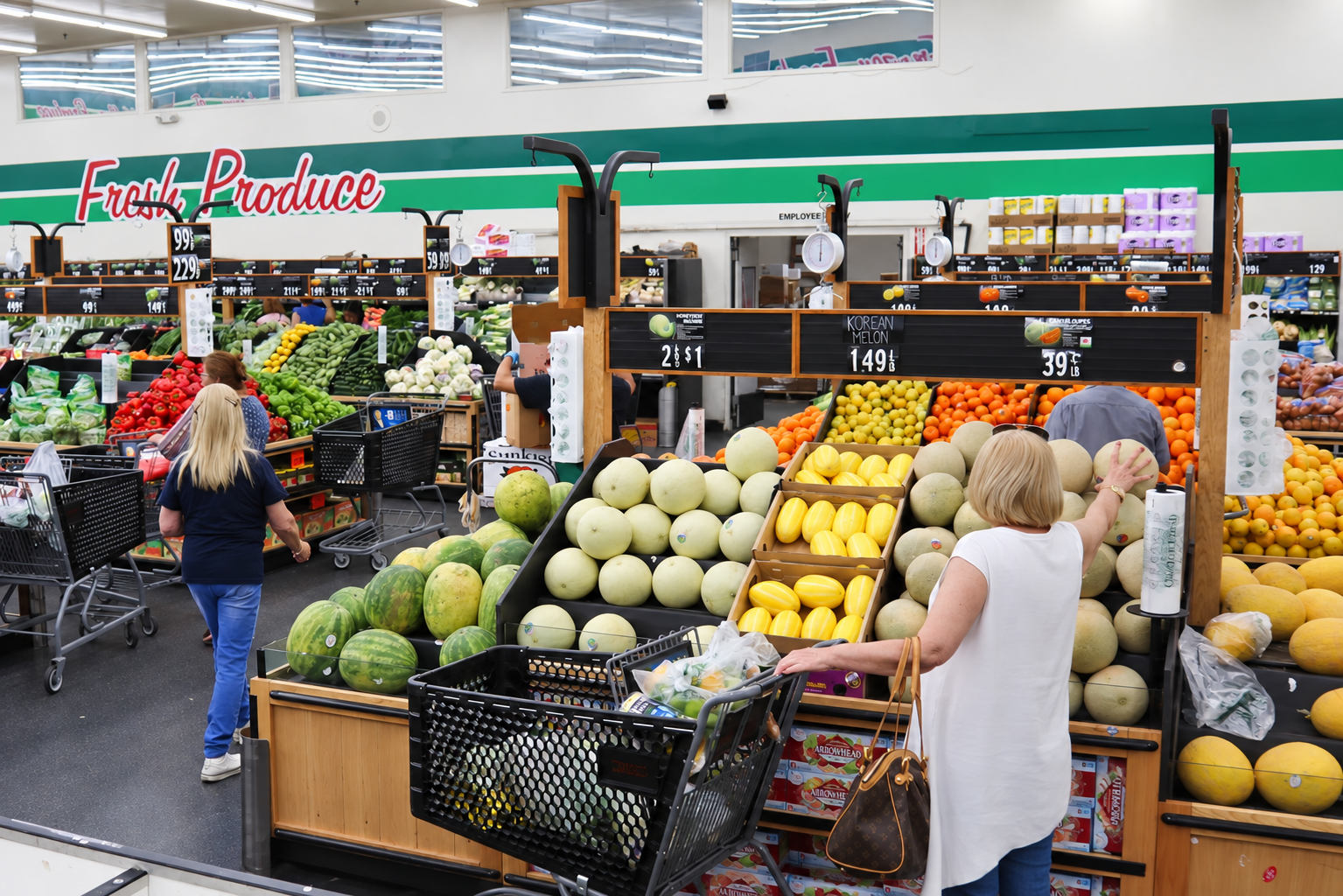
An international grocery store offers plenty of ways to bring new flavors into everyday meals, but an unfamiliar aisle can make it hard to know where to start. This guide walks you through what to look for, from fresh produce and seafood to grains, spices and sauces, so you can shop with a meal in mind.
At Valley Marketplace, you can explore familiar staples alongside ingredients used in cooking traditions from around the world. Start with one dish you want to make and leave room to try something new. Selection varies by store and season, so use this guide as a starting point for your next visit.
Before You Shop: Pick a Dish and Make a Short List
Choose one recipe or meal style before entering the store. A useful list has four parts:
Base: Rice, noodles, bread, beans or another grain.
Flavor: A spice blend, chile, sauce, paste or condiment.
Fresh ingredients: Produce, herbs and aromatics.
Protein or centerpiece: Meat, seafood, cheese, eggs, tofu, beans or lentils.
Add one exploration item only after the meal is covered. This keeps the trip focused and reduces the chance of buying an ingredient with no plan.
Produce Department: Start With Fresh Flavor
International markets are a strong place to explore herbs, chiles, greens, eggplants, squashes, roots, citrus and tropical fruit. Begin with produce that has an immediate use:
Fresh herbs such as cilantro, mint, parsley, dill or Thai basil.
Aromatics such as ginger, garlic, shallots, green onions and lemongrass.
Fresh chiles from mild poblanos to hotter serranos or habaneros.
Vegetables suited to roasting, grilling, stuffing, stir-frying or stewing.
Fruit for snacks, desserts, salsa, marinades or drinks.
Look for produce that feels firm and fresh for its type, with no large soft spots or leaking areas. If an item is unfamiliar, note its name and ask how customers commonly prepare it.
Valley Marketplace describes daily produce arrivals and more than 300 domestic and hard-to-find international fruit and vegetable varieties across its stores, though the exact mix can vary. Review the department guide before your trip.
Meat Department: Shop by Cooking Method
Instead of beginning with a cut name, decide whether you plan to grill, roast, braise, stew or stir-fry. Tender steaks and thin cuts suit quick cooking. Chuck, shank, brisket and other connective-tissue-rich cuts benefit from slow cooking. Ask the meat counter to help match a cut to the recipe and to prepare it appropriately when service is available.
International markets may also offer cuts that are less common in conventional supermarkets, along with goat, lamb, rabbit or halal options. Availability varies. Keep raw meat cold, place it in a separate bag and refrigerate it promptly after shopping.
Use the Beef Cuts Explained guide once it is live to connect the cut with the right method.
Seafood Department: Let Freshness and the Recipe Lead
Start by deciding whether the seafood will be grilled whole, pan-seared, steamed, simmered in curry, added to soup or served in tacos. Ask what arrived recently and what preparation fits the item.
Fresh fish should smell mild rather than sour or ammonia-like. Fillets should look moist without dried edges. Whole fish should have clear, bright eyes and firm flesh. Fresh shrimp should also smell mild and feel firm.
Valley Marketplace's seafood department describes a selection that can include fish, shrimp, clams, scallops, squid and octopus. The exact selection changes, so shop with a flexible second choice. The Shrimp Sizes Explained guide can help you choose a count once it is published.
Deli and Cheese: Build a Meal Without Starting From Scratch
The deli counter can supply cheese, olives, prepared salads, cold cuts, sausages and baked goods that quickly become lunch, an appetizer or part of a shared meal.
Build a simple plate with one cheese, one briny item, fresh vegetables and bread. Choose a melting cheese for quesadillas or baked dishes, a crumbly cheese for finishing tacos and salads, or a firm cheese for slicing and grilling. Use the Mexican Cheese Guide once live to compare panela, Oaxaca, Cotija and queso fresco.
Buy a small amount the first time you try a strongly flavored olive, cured meat or aged cheese. You can always return for more once you know how you want to use it.
Rice, Grains, Beans and Noodles: Choose the Texture You Need
The dry-goods aisles can hold many packages that seem interchangeable but are designed for different results.
Choose jasmine rice for soft, aromatic grains with Southeast Asian dishes.
Choose basmati for fragrant, separate grains in pilaf, biryani and curries.
Choose sticky rice when the dish depends on a cohesive, chewy texture.
Choose bulgur for tabbouleh or pilaf and lentils for soup, dal or salad.
Choose rice vermicelli for rolls and noodle salads.
Choose thick udon for chewy soup or stir-fry noodles.
Choose glass noodles when you want a springy noodle that absorbs sauce.
Read the cooking directions before buying. Shape, grain length, starch and processing can change the amount of water and time needed.
Spice Aisle: Buy for One Dish, Then Reuse It
Spice aisles are easier to navigate when you focus on a flavor family. For a Middle Eastern meal, you might choose sumac, za'atar, cumin or coriander. For Mexican cooking, begin with whole dried chiles, Mexican oregano or cumin. For Indian cooking, choose the whole or ground spices named in the recipe rather than buying a large collection immediately.
Check the package date when available and buy a quantity you can use while the aroma is vivid. Store spices sealed away from light, moisture and stove heat. Whole spices generally hold their character longer than ground ones.
Do not assume two blends with the same general name are identical. Za'atar, curry powder, garam masala, chile powder and seasoning blends vary by region and producer. Read the ingredient list and note whether salt is already included.
Sauces, Pastes and Condiments: Read the Label
A single sauce or paste can define a dish, but similar-looking jars may have different uses. Fish sauce, soy sauce, sambal, harissa, curry paste, tahini, pomegranate molasses, mole paste and chile sauces each bring a different balance of salt, heat, acidity, sweetness and savoriness.
Before buying, check:
The ingredient list and allergen statement.
Whether the product is concentrated or ready to use.
The heat level.
Refrigeration directions after opening.
Whether salt or sugar is already a major ingredient.
Choose a smaller container for a first purchase unless the meal plan uses a large amount. Write the opening date on the lid when a condiment may stay in the refrigerator for several weeks.
Frozen Section: Look for Convenience With a Clear Purpose
Frozen aisles may offer vegetables, fruit, breads, dumplings, wrappers, seafood, pastries and complete foods from several cuisines. They can be especially useful for ingredients that require time-consuming preparation.
Check whether an item is raw or fully cooked, and follow the package directions. Keep frozen food together in the cart, shop for it near the end and go directly home or use an insulated bag for a longer drive.
Bakery and Bread: Plan for Today and the Freezer
Fresh pita, lavash, flatbreads and regional breads can complete a meal. Buy what you will use promptly and freeze the rest while it is fresh. Separate pieces with parchment if needed so you can remove one portion at a time.
Warm flatbread briefly before serving. A skillet, toaster oven or low oven can restore flexibility without drying it out.
Nuts, Seeds and Dried Fruit: Use Them in Savory Food Too
Pistachios, almonds, sesame seeds, dates, apricots, raisins and other dried fruits can add texture and contrast to rice, salads, stuffing, roasted vegetables and shared plates. They are not limited to snacks or desserts.
Buy nuts and seeds in an amount you can keep fresh. Their natural oils can become rancid, especially in warm storage. Seal them well and refrigerate or freeze longer-term portions. Check allergen needs before adding them to a shared dish.
A Smart First-Trip Basket
For a focused first visit, try this simple formula:
One aromatic rice or noodle.
One spice blend or dried chile.
One sauce or paste.
Two fresh herbs or vegetables.
One protein, cheese, bean or lentil.
One bread, olive or pickle for serving.
That basket is enough to make a distinctive meal and leaves room to learn what each ingredient contributes.
Explore One Aisle at a Time
You do not need to recognize every label to shop well. Begin with a recipe, compare packages, read the directions and ask questions. Each trip can add one new ingredient to the group you already know how to use.
Check the weekly ad, browse the full recipe collection and find Valley Marketplace stores in Reseda, Simi Valley and Valencia before you shop.
