
Shrimp Sizes Explained: Counts, Servings and Best Uses
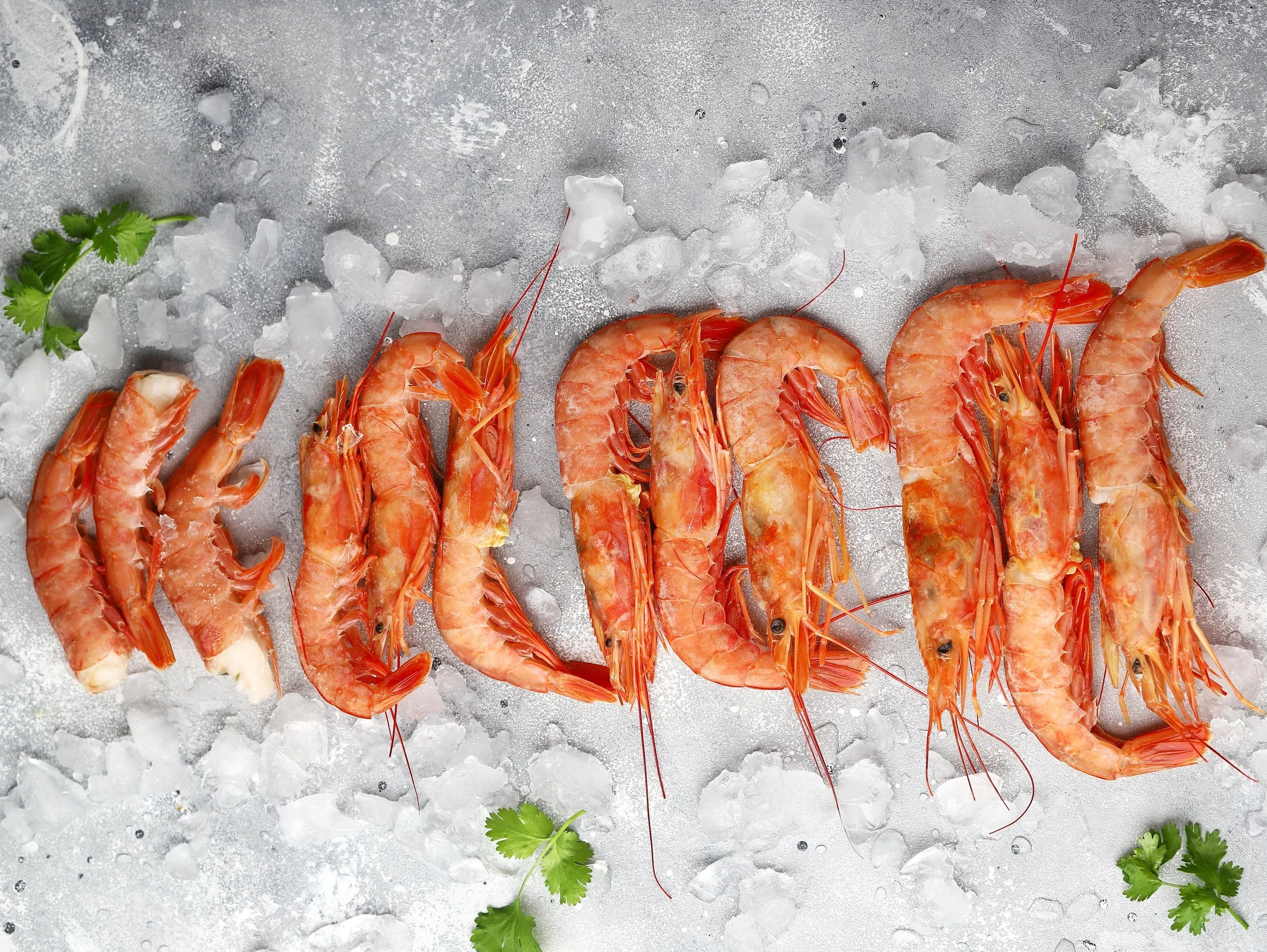
Choosing shrimp is easier when you know how package counts translate into size and servings. Here’s how to pick the right size for your dish and estimate how much to buy.
What Do Shrimp Counts Mean?
The numbers on a shrimp package tell you more than names such as large or jumbo. A label of 21/25 means there are approximately 21 to 25 shrimp in one pound. The lower the number, the larger each shrimp. A “U” means under, so U/15 indicates fewer than 15 shrimp per pound.
Size names are not standardized across every seller. One brand’s “large” may be another brand’s “extra large,” which is why the count per pound is the best comparison.
How Much Shrimp Should You Buy Per Person?
For a main course, plan on roughly one-third to one-half pound of shell-off raw shrimp per adult, depending on the dish and the number of sides. For an appetizer, about one-quarter pound per person is a useful starting point. If the shrimp are shell-on or head-on, buy more because part of the purchased weight will be removed.
The count can help you estimate pieces per guest. A pound of 16/20 shrimp contains about 16 to 20 pieces, while a pound of 31/40 contains about 31 to 40. For four people, one pound of 16/20 shrimp provides roughly four or five shrimp each. The same pound of 31/40 provides closer to eight or ten each.
Appetite, menu and presentation still matter. A pasta or curry stretches shrimp with other ingredients, while a grilled shrimp entrée may need a more generous portion.
Best Shrimp for Grilling and Skewers
Choose 16/20 or 21/25 shrimp for the grill. Larger shrimp are easier to thread, turn and cook without drying out. Shell-on shrimp can retain moisture and flavor, while peeled shrimp are more convenient to eat.
Pat the shrimp dry, season lightly and cook over a well-preheated grill. If using wooden skewers, soak them first or use a grill basket. Watch closely because even jumbo shrimp cook quickly.
Best Shrimp for Pasta, Scampi and Curry
Counts from 21/25 through 31/40 work well in pasta and sauced dishes. They are substantial enough to remain noticeable but small enough to distribute throughout the meal.
Add shrimp near the end of a long-cooking sauce so they do not become rubbery. In Thai Coconut Shrimp Curry, the vegetables and sauce begin cooking before the shrimp are added for the final few minutes.
Best Shrimp for Tacos and Stir-Fries
Shrimp in the 26/30 or 31/40 range fit easily into tortillas and cook quickly in a wok or skillet. Larger shrimp also work if cut into bite-size pieces after cooking. For a taco-night pairing, use the fresh produce and seasoning ideas in Blackened Salmon Tacos with Mango Slaw with shrimp instead of salmon, adjusting the cooking time.
For stir-fry, cook shrimp in a single layer and remove them as soon as they are nearly done. Finish the vegetables and sauce, then return the shrimp briefly so they stay tender.
Best Shrimp for Salads, Rolls and Fillings
Counts from 41/50 upward are practical for salads, lettuce wraps, spring rolls, dumplings and dips. Small shrimp provide more pieces throughout the dish and are easy to fold into a filling. For spring rolls, cook and chill the shrimp first, then slice larger pieces lengthwise if needed. Valley Marketplace's Crispy Thai Spring Roll guide offers more inspiration for building rolls with vegetables and noodles.
Shell-On, Peeled, Deveined or Tail-On?
Choose the preparation that fits the recipe:
Shell-on: Useful for grilling, broths and dishes where extra flavor matters.
Peeled: Convenient for pasta, curry, tacos and stir-fries.
Deveined: The dark digestive tract has already been removed.
Tail-on: Adds visual appeal to cocktail and plated appetizers but can be less convenient in sauced dishes.
Tail-off: Easiest for pasta, rice, soups, tacos and any dish eaten entirely with a fork or spoon.
Frozen shrimp can be an excellent option because it is often frozen soon after harvest. Look for shrimp that are individually frozen when you want to remove only the amount needed.
How to Thaw and Cook Shrimp Safely
Thaw frozen shrimp overnight in the refrigerator. For a faster method, keep the shrimp in a leakproof package and place it under cold running water or in cold water that is changed regularly. Do not thaw seafood on the counter.
Pat thawed shrimp dry before sautéing or grilling. Cook until the flesh is firm, pearly and opaque. FDA guidance lists 145°F as the general safe temperature for seafood. Avoid cooking by color alone because some shrimp may begin pink and others change color differently.
Refrigerate raw or cooked shrimp promptly and keep it separate from ready-to-eat food. Discard seafood with a strong sour, rancid or ammonia-like odor.
Let the Count Guide the Purchase
Choose by count first, then decide whether you want shell-on, peeled, deveined, tail-on or tail-off. Lower counts give you larger shrimp for grilling and presentation. Higher counts give you more pieces for salads, fillings, fried rice and soups.
Explore Valley Marketplace's seafood department for fresh seafood selections, and check the weekly ad before planning your next meal. Selection can vary by location and day.
