
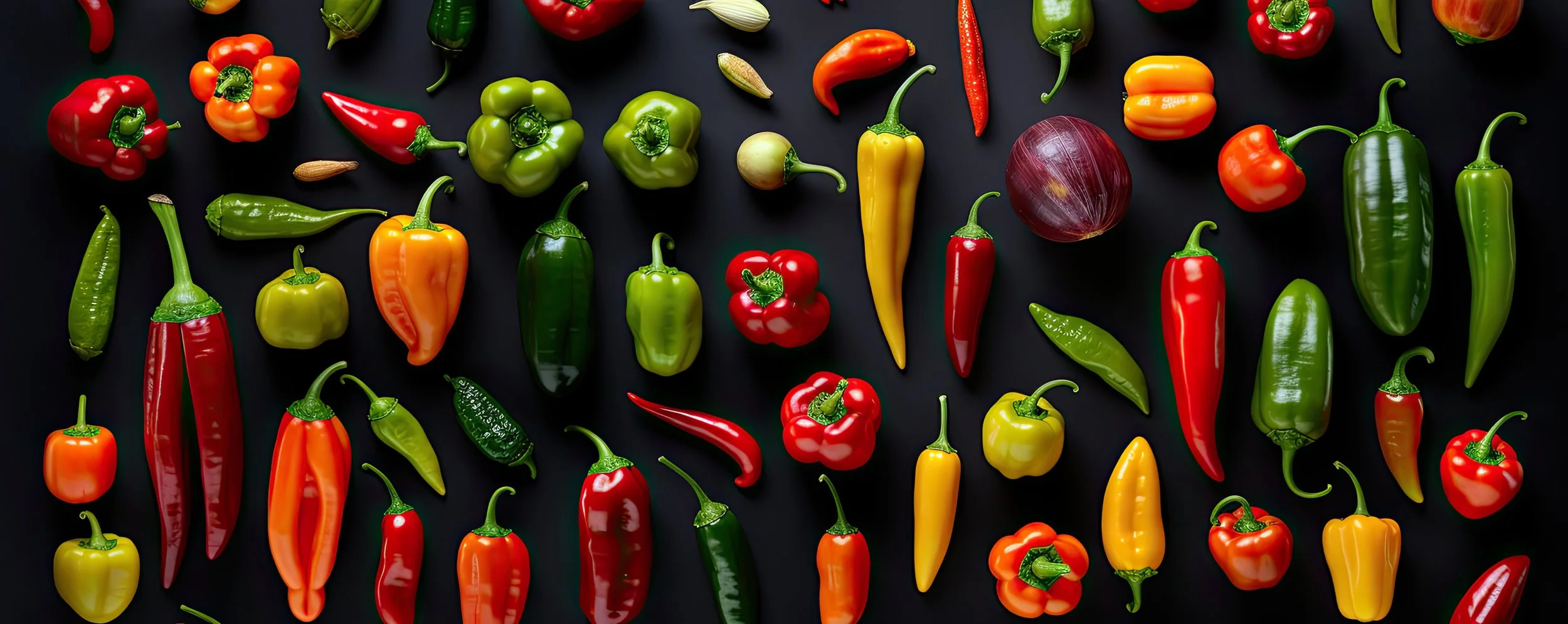
Choose a chile for its flavor first and its heat second. Fresh chiles can taste grassy, crisp, fruity or bright. Dried chiles may become earthy, smoky, raisin-like, nutty or deeply savory. Heat matters, but the right pepper should also match the sauce, stew, salsa or marinade you are making.
The Scoville scale provides a useful comparison, but it is not a promise. Heat can vary by cultivar, growing conditions and even from one pepper to the next.
How Fresh Chiles Change When Dried
Some familiar dried chiles are mature versions of peppers you may already buy fresh:
A dried poblano is called an ancho.
A smoke-dried ripe jalapeño is called a chipotle.
A dried chilaca is called a pasilla.
Guajillo is the dried form of a mirasol-type chile.
Drying concentrates flavor and changes the chile's character. A poblano tastes green and earthy when fresh, while an ancho has sweeter dried-fruit notes. Jalapeños are crisp and grassy, while chipotles bring smoke and depth.
What the Scoville Scale Really Tells You
Scoville Heat Units compare the concentration of capsaicinoids, the compounds responsible for the sensation of heat. Bell peppers sit at zero, while jalapeños commonly measure in the thousands and habaneros can reach well into six figures.
The hottest part is the pale inner tissue, or placenta, where capsaicinoids are produced. Seeds are often hot because they touch that tissue, not because the seeds create the heat. Removing the inner ribs and seeds can reduce heat, but it will not make a hot pepper completely mild.
How to Choose Fresh Chiles
Look for chiles that feel firm and heavy for their size, with smooth skin and fresh-looking stems. A little natural color variation is fine. Skip peppers with soft, collapsed areas, leaking spots or widespread wrinkling unless you plan to use them immediately.
Fresh chiles can be roasted directly over a flame, under a broiler or on a hot grill. Turn until blistered, let them steam briefly in a covered bowl, then peel away the loosened skin. Roasted peppers add depth to sauces, soups, tacos and egg dishes.
Fresh chile also works well in raw preparations. Serrano or jalapeño can sharpen salsa and guacamole, while a thinly sliced Fresno chile adds color and moderate heat. Valley Marketplace's Spicy Peach and Avocado Salad shows how chile can balance sweet fruit and rich avocado.
How to Choose and Prepare Dried Chiles
Good dried chiles should be flexible or leathery rather than brittle, with a clean, concentrated aroma. Avoid packages with moisture, mold or a stale smell.
For a smooth chile sauce:
Wipe the chiles clean and remove the stems.
Shake out some or all of the seeds, depending on the desired heat and texture.
Toast briefly in a dry skillet just until fragrant. Do not burn them because burned chiles become bitter.
Soak in hot water until pliable, usually 15 to 30 minutes.
Blend with fresh liquid, aromatics and seasonings, then strain if the recipe calls for an especially smooth sauce.
You can also crumble dried chile into soups and braises or grind it into a seasoning. Whole dried chiles keep their character longer than pre-ground chile powder when stored well.
Smart Substitutions
Substitute by both flavor and heat. Ancho can replace another mild, fruity dried chile more successfully than chile de árbol, which brings much sharper heat. Jalapeño and serrano can sometimes stand in for each other, but serrano is generally hotter, so start with less.
Remember that chili powder and powdered chile are not always the same product. A package labeled with one chile name, such as ground ancho, usually contains that pepper. A blend labeled chili powder may also contain cumin, garlic, oregano and salt. Check the ingredient list before using it.
Safe Handling and Storage
Wear food-safe gloves when handling very hot chiles, and avoid touching your eyes or face. Wash the knife, cutting board and work surface after preparation. Capsaicin does not rinse away well with water alone, so use soap on your hands and tools.
Store fresh chiles dry and refrigerated, ideally in a breathable or loosely closed produce bag. Keep dried chiles in an airtight container away from heat, light and moisture. For the best flavor, buy an amount you will use while the color and aroma are still vivid.
Build Flavor, Not Just Heat
A balanced chile dish can be mild or fiery. The key is choosing the fresh brightness, smoke, fruitiness or earthiness that supports the rest of the ingredients. Use mild chiles for body, hotter chiles for intensity, or combine more than one variety for a layered sauce.
Browse Valley Marketplace's produce, spices and international departments, then try the peppers in Roasted Cauliflower Tacos with Avocado Lime Sauce or alongside the Easy Shakshuka Recipe.
